
Most wardrobes are not built. They are accumulated.
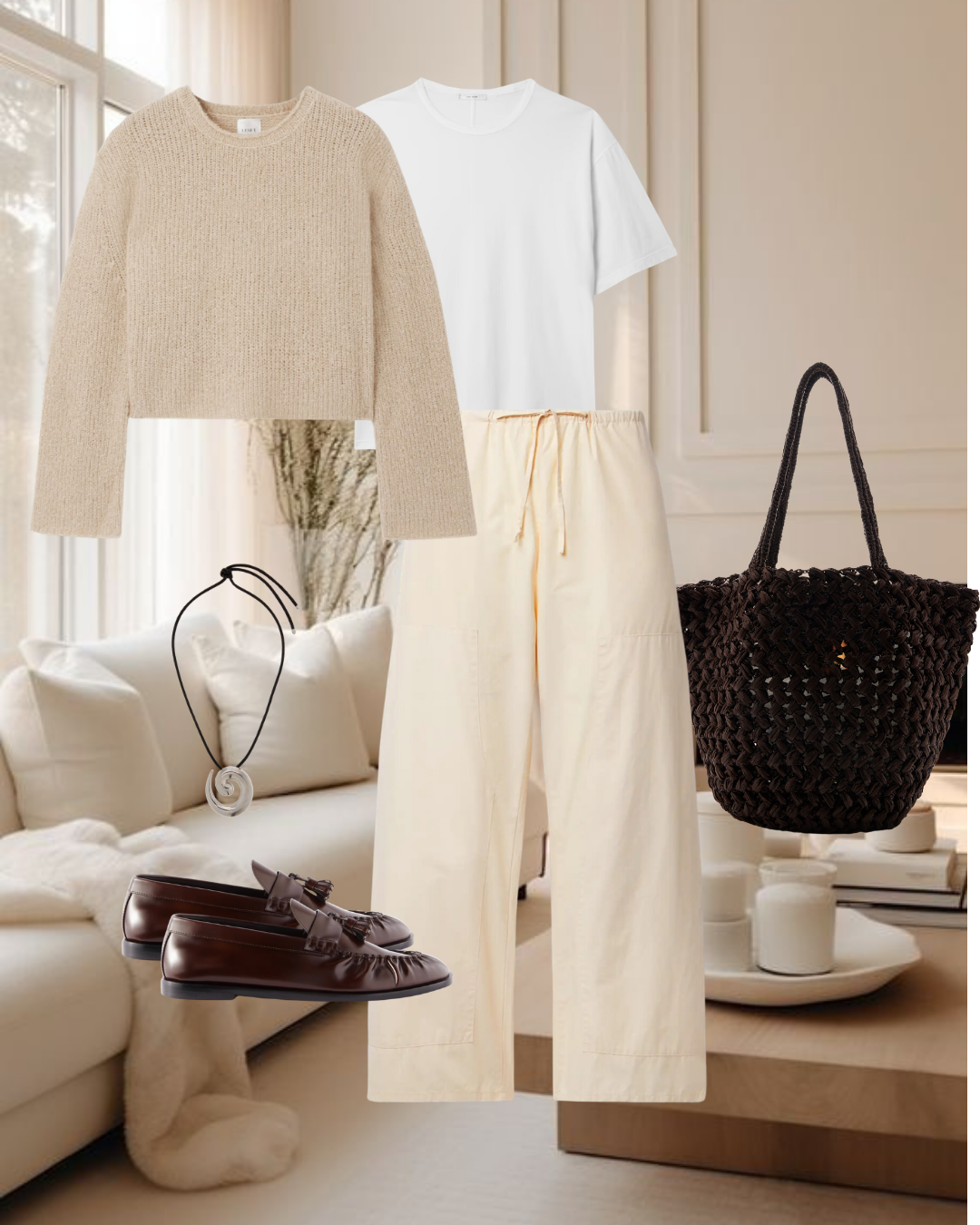
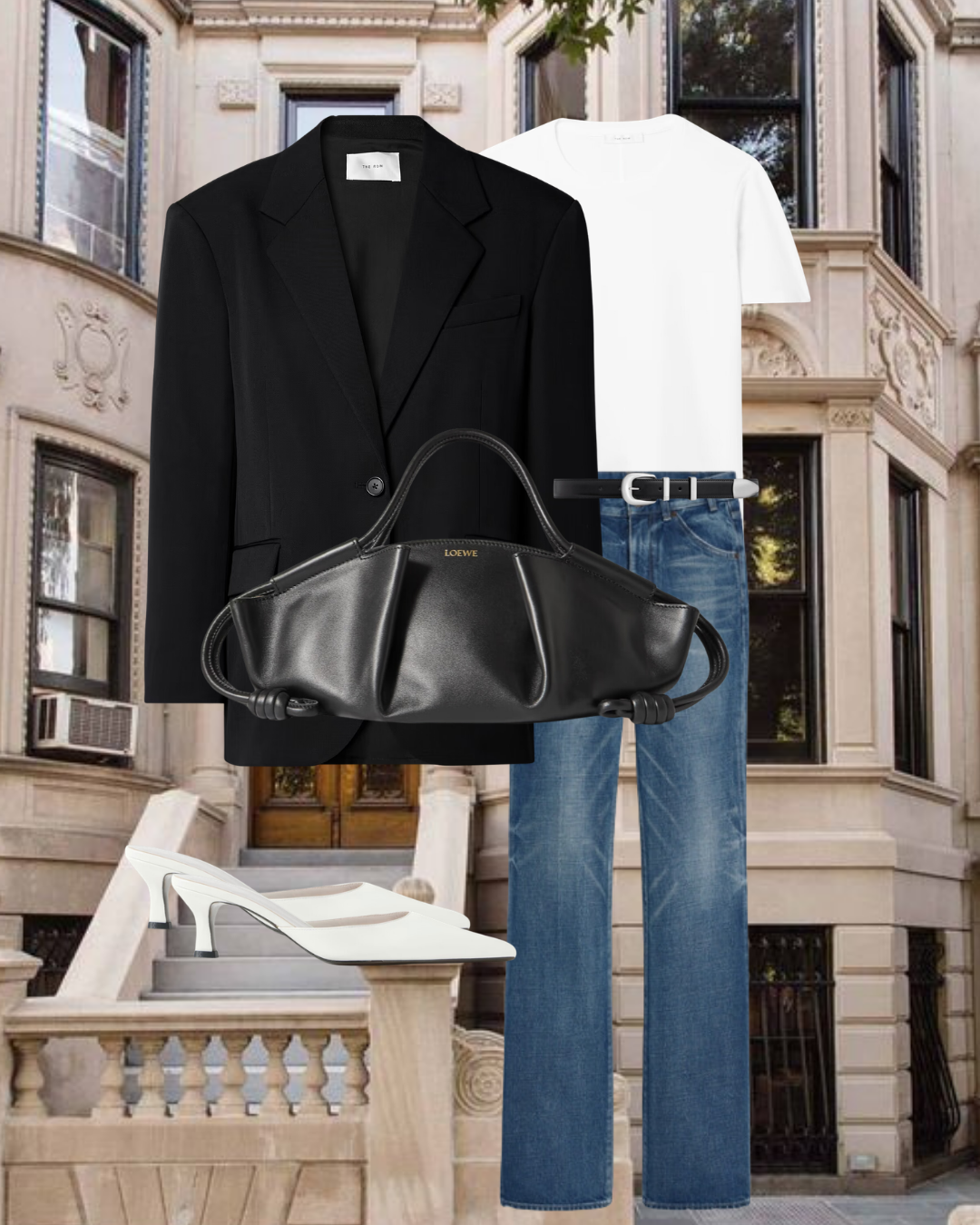
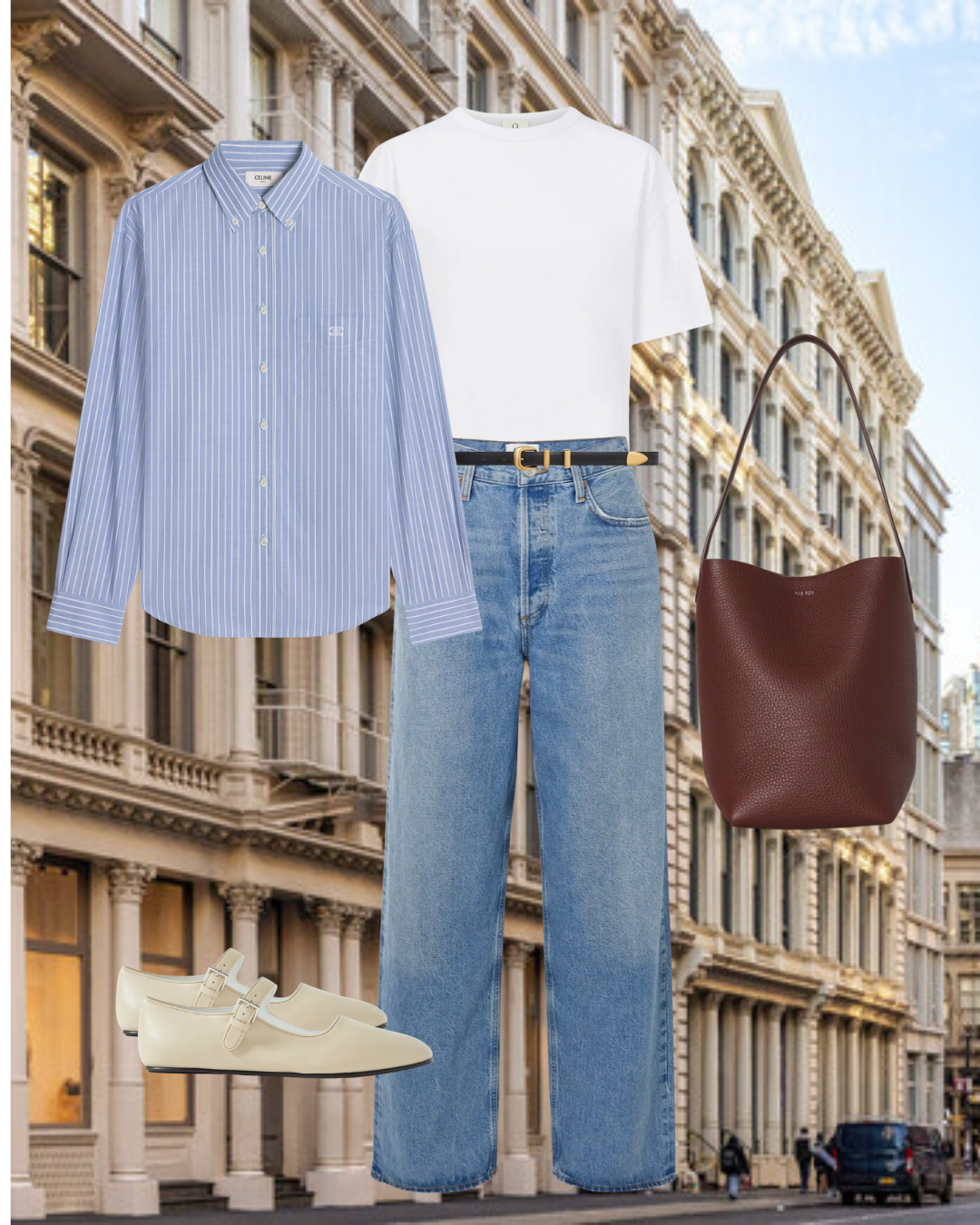
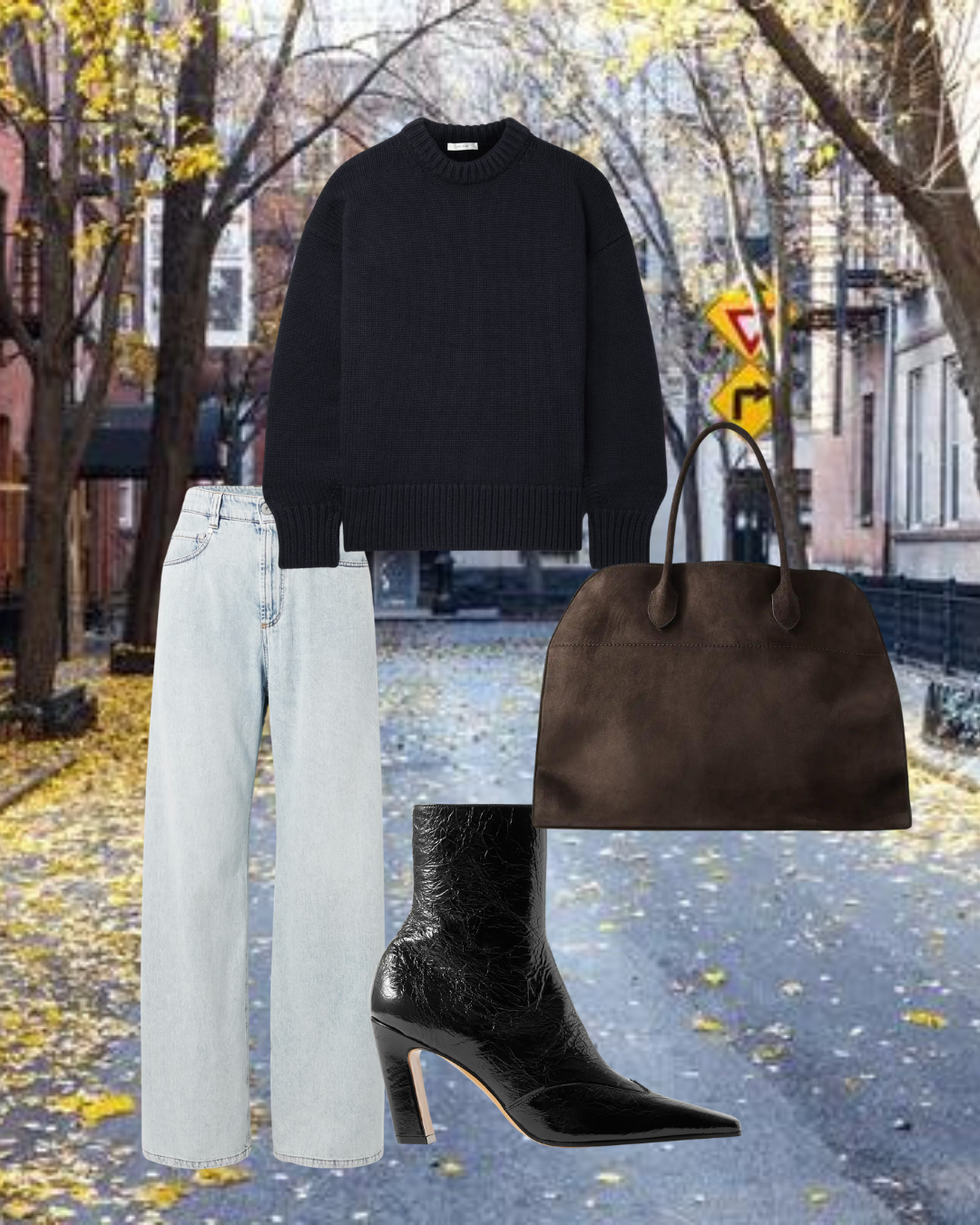
One thoughtful purchase. One impulse buy. One dress bought for a holiday that somehow never feels right again. Over time, our wardrobes become a collection of moments rather than a reflection of the lives we live today.
Over the past decade, "buy with intention", "no-buy years" and capsule wardrobes have become part of the modern style conversation. We are encouraged to consume less, choose better and resist the endless cycle of trends. The advice is sensible. Yet for many of us, it proves surprisingly difficult to sustain.
Like restrictive diets, these rules often rely on willpower alone. We promise ourselves that this season will be different. We avoid shopping for weeks, perhaps even months, until a special occasion, a stressful week or an irresistible sale quietly persuades us otherwise. One purchase becomes another, and before long we're back where we started—not because we lack discipline, but because we were trying to change our habits rather than our approach.
Perhaps the question isn't how to buy less. Perhaps it's how to buy with greater clarity.
I have never been drawn to minimalism for its own sake. Clothes bring me joy, and I don't believe the answer is owning five interchangeable outfits or wearing the same uniform every day. Life is rarely that simple. Our wardrobes need to move with us through work, motherhood, weekends away, dinners with friends and the occasional celebration. Dressing well should feel expressive, not restrictive.
The problem isn't variety, but accumulation without intention.
When we shop according to our mood rather than our wardrobe, we collect pieces that make perfect sense in a particular moment but quickly lose their place afterwards. A beautiful blouse bought for a holiday. Shoes purchased because they were on sale. A dress that belonged to the version of ourselves we hoped to become.
These pieces occupy more than physical space. They create emotional clutter. We hesitate to let them go because each carries a memory, a possibility or a little guilt, so we keep them for another season, just in case. Eventually, our wardrobes become fragmented.
We stop seeing what we own as one complete collection and instead divide it into separate lives: clothes for work, clothes for weekends, clothes for holidays, clothes for special occasions. While there will always be room for the extraordinary—the dress reserved for celebrations or the coat that only comes out each winter—I don't believe our wardrobes should feel like disconnected chapters.
The most satisfying wardrobes aren't necessarily the smallest, nor are they the most expensive. They are the ones where every piece belongs, because a wardrobe isn't built through restraint alone – it is built through intention.
Dea